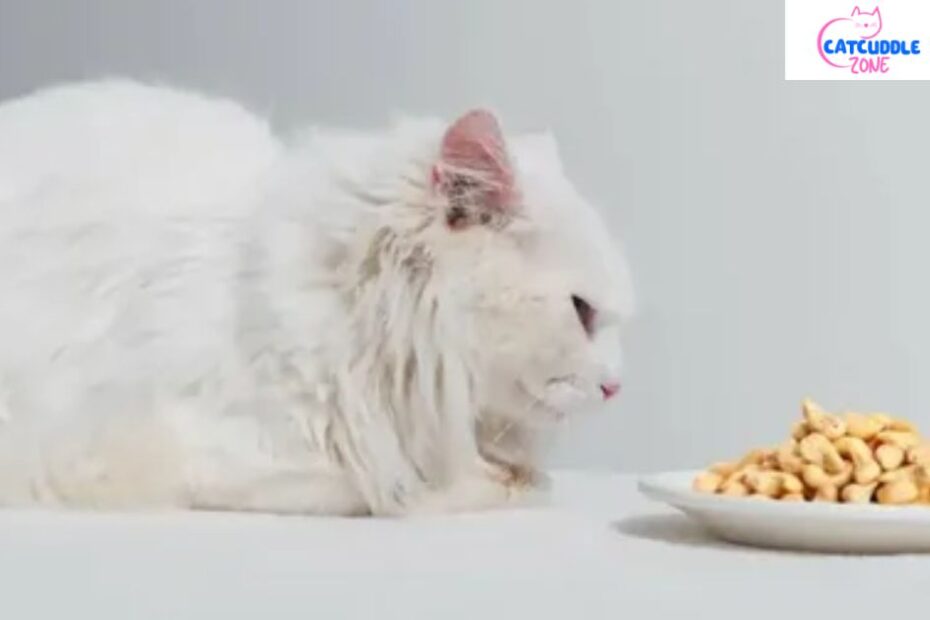
That curious nose twitches as you snack on a handful of raw cashews. It’s tempting to share one with your feline friend, but is it safe? While not immediately toxic to cats, these nuts are far from a healthy treat. They pose significant risks, including mold contamination that produces dangerous aflatoxins and a high-fat content linked to serious conditions like pancreatitis.
Understanding these hidden dangers is crucial for any responsible pet owner who wants to avoid an upset stomach or worse in their beloved cat. This guide will explore the definitive vet-approved answer can cats eat cashews.
Are Cashews Safe for Cats?
The short answer is no. Cashews are not toxic to cats like some other foods. But that does not mean they are safe. They pose many health risks for your feline friend. These risks can lead to serious medical issues. It is best to avoid giving them to your cat altogether.
Cats have very different digestive systems from humans. Their bodies are not designed to process nuts. While a small piece might not cause immediate harm, it offers no benefits. The potential for problems is simply too high. Choosing a safer treat is always the best option for your pet’s health.
Nutritional Value of Cashews (For Humans vs. Cats
For humans, cashews are a healthy snack. They are packed with protein, healthy fats, and minerals. For cats, these same nutrients are problematic. Cats are obligate carnivores. This means they need a meat-based diet to thrive.
Cats cannot digest the high amount of fat found in cashews. It may cause a sore stomach and an increase in weight. Their physiques are not able to digest the vegetarian protein. They require certain nutrients such as taurine, which is only present in animal tissues. Cashews also contain empty calories that lead to obesity in cats.
Health Risks of Cashews for Cats
Cashews have numerous risks associated with feeding your cat. Mold contamination is one of the largest concerns. Cashews may have hidden mould that causes aflatoxin. These toxins can cause acute liver and neurological problems in cats. Even a little of it is highly dangerous.
The physical shape of the nut is also a problem. A whole cashew is a major choking hazard for a cat. If swallowed, it can cause a gastrointestinal blockage. This is a life-threatening emergency that requires surgical intervention. The hard nut can also cause a tooth fracture.
In addition, the sodium content is high to the extent that it may cause dehydration and, in large doses, sodium poisoning. Clogging of fat is a known risk factor of pancreatitis, a painful and severe inflammation of the pancreas. Another problem associated with this condition is inflammatory bowel disease (IBD) and diabetes.
Are Cashews Safe for Kittens?
Kittens should never eat cashews. Their bodies are even more vulnerable. Their baby teeth are delicate and can easily break on a hard nut. A piece of cashew is much larger relative to a kitten’s size, making the choking hazard and risk of gastrointestinal blockage much greater.
Their stomachs are not well-developed. They are not able to bear the fat and salt content. This will most certainly lead to vomiting and diarrhea. This may cause extreme dehydration within a short time. Kittens require a specially designed life stage diet that will help them grow and be active.
Can Cats Drink Cashew Milk or Cashew-Based Products?
Not a safe alternative is cashew milk. Although this eliminates the choking risk, it still has the same unhealthy high-fat content. In addition, most commercial cashew milk has added sugars, thickeners, and flavors that are cat toxic. It has no nutritional benefit and may lead to intestinal discomfort, as well.
Other products, such as cashew butter or yogurt, are not recommended either. They tend to be more fatty and salty. They can include other materials such as xylitol, which is poisonous to cats. You should never feed your cat any human food that has uncooked cashews or their derivatives.
Safe Alternatives to Cashews for Cats
Thankfully, there are many safe and healthy treats you can offer. Small pieces of cooked, unseasoned meat are the best choice. Think chicken, turkey, or a bit of plain fish. These provide the animal protein your cat needs and will enjoy.
There are also plenty of commercial cat treats. They are made to suit the nutritional requirements of your cat. They are available in different flavours and textures. Never give your cat treats that are not suitable to their age and health conditions. It is a far less dangerous method of expressing love.
What To Do If Your Cat Accidentally Eats Cashews
First, stay calm. One or two plain shelled kernels are likely to be all right with your cat. Keep a watch on them in case they are sick. Ask about vomiting and diarrhea, letharg,y or anorexia. Ensure that they drink lots of water to avoid dehydration.
In case you cat ate a lot of it, or the nuts were seasoned or spiced, move quickly. Sodium poisoning is manifested by excessive thirst and vomiting as well as tremors. An emergency animal hospital or your vet should be called just in case of any signs of choking, danger or distress. Or you can also get an online vet service, PangoVe,t to get a quick opinion.
Vet-Recommended Feeding Guidelines (Moderation & Safety Tips)
The most secure rule of thumb is not to feed your cat cashews. The risks are too high. Should you simply have to give a small portion, make sure it is a plain, raw cashew with no seasoning or salt. It must be chopped into a minuscule piece to reduce risks.
This should be a very rare event, not a regular treat. It should never be given to a cat with known health issues. The best practice is to always choose a treat made specifically for cats. This ensures their safety and health.
Expert Insights: What Veterinarians Say
All veterinarians recommend the avoidance of feeding cats nuts. They put a lot of stress on the fact that cats are carnivores. They are not made to digest plants and nuts. There is a risk of pancreatitis and other severe diseases.
Many vets have seen cases of gastrointestinal blockage from cats eating foreign objects, including nuts. These cases often require expensive surgical intervention or endoscopy to remove the obstruction. Their professional advice is to keep human snacks to yourself.
Final Thoughts: Should You Give Cashews to Your Cat?
The final answer is clear. Chestnuts should not be offered to a cat. They are not harmful to cats and are unhealthy and hazardous. It is simply not worth the potential of contamination with moulds, aflatoxins and other health hazards.
Your cat ultimately relies on your decisions to make the most appropriate health decisions. Demonstrate your affection by giving them things that are theirs. You should always ask a veterinarian whenever you doubt about a food. They will be able to give you advice depending on the stage of life, diet, and activity level of your cat. The most important thing is to keep your cat safe.
(FAQs)
What nuts are toxic to cats?
Cats are very sensitive to Macadamia nuts and Walnuts, particularly black walnuts are also not safe because of the risks of mould toxins.
What fruit can cats not eat?
Grapes, raisins, or currants should never be given to cats because they can lead to sudden kidney failure even in small quantities.
How do cashews affect a cat’s digestive system?
Cashews are also rich in fat and dense plant proteins, which usually cause an upset stomach, resulting in cats vomiting and diarrhea.
Is there anything cats can’t eat?
Yes, lots of widely eaten foods are poisonous, such as onions, garlic, chocolate, xylitol, and alcohol, which can lead to serious health disorders.
Can cats have peanut butter?
The answer is generally no; most peanut butter has unhealthy additives, sugar, and salt in it, not to mention its thick consistency, which cats can easily choke on.