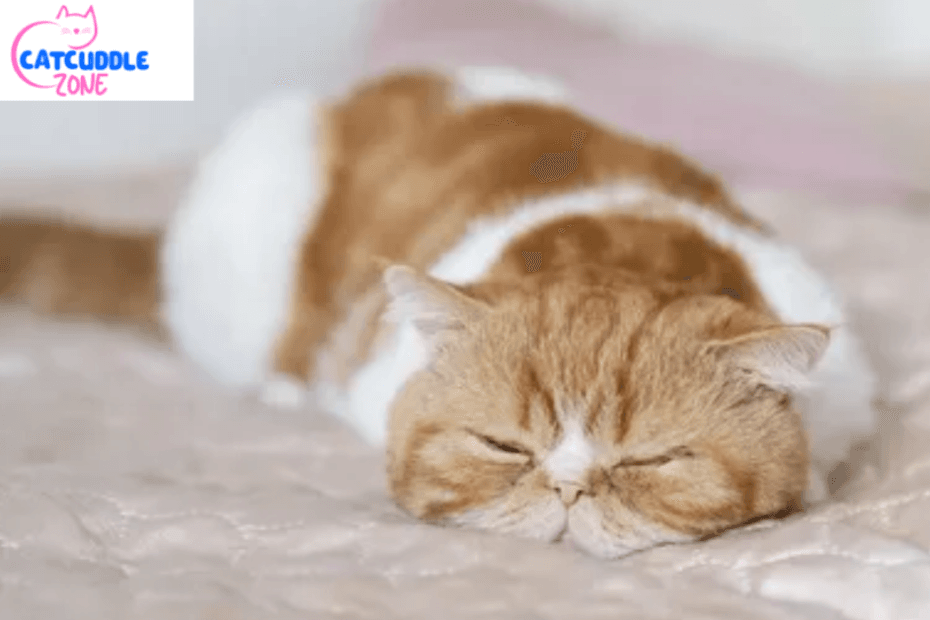
If you’ve ever wondered why cats snore, you’re not alone. Cat snoring can seem strange, but it often has simple explanations like sleep position or breed traits. Sometimes, though, it hints at deeper feline respiratory issues. Breeds like flat-faced cats and brachycephalic cats are more likely to snore because of their facial structure.
Factors such as secondhand smoke and cats or a dusty home and cat health can also play a role. Understanding what’s normal and what’s not helps you care better for your pet. Let’s explore what causes these sleepy sounds and when it may signal a problem.
What Is Cat Snoring?
When air is unable to pass through the nose or the throat smoothly through your cat, this condition occurs, which is also known as cat snoring. The soft tissues are slapped by air and vibrate. The sounds that we term as snoring are produced because of these vibrations. It usually takes place when cats are strongly in a state of relaxation.
Similar to humans, cats can also snore louder when they lie in weird postures. A cat snores more when they sleep on their backs; since this position has the ability to cause the airway to constrict. In some cases, the sinus obstruction in cats such as mucus or swelling usually worsens the snoring.
Why Do Cats Snore?
Many owners wonder why cats snore. For some cats, it’s just the shape of their nose or head. Flat-faced cats, or brachycephalic cats like Persian,s often snore because their short nasal passages limit airflow. Others snore because of age, being overweight, or simply how they sleep.
Health problems can also cause snoring. Cat nasal polyps, respiratory infections in cats, and cat allergies and asthma all make it harder for air to pass through. These can lead to sneezing, nasal discharge, or even cat breathing difficulties.
Is Cat Snoring Normal?
So, is cat snoring normal? Yes, sometimes. Quiet, gentle snoring—especially when your cat is lying on its back or curled up—is usually harmless. Do kittens snore too? Yes, kittens can snore softly when they’re in deep sleep.
However, there is a chance that my cat snores a lot at night, and this is a problem. Listen carefully to changes in snoring, snoring louder, snoring with a cough, discharge, or fatigue.
When Should You Worry About Your Cat’s Snoring?
When should I worry about my cat snoring? Watch for other signs. If your cat has difficulty breathing and snores, coughs, sneezes often, or has thick or bloody nasal discharge, see a vet.
A sudden start of snoring, or if your cat seems tired, could mean trouble. Snoring linked with cat sleep —pauses in breathing—should always be checked. Also, worry if your cat starts snoring after gaining weight, as an overweight cat’s snoring can hint at deeper health problems.
How to Monitor Your Cat’s Snoring at Home
How can I check up on my cat’s snoring? Record your cat on your phone at night. Take note of the circumstances of the snoring: after eating, in some particular positions, or only in a deep sleep.
Keep a simple table like this:
| Date | Snoring Loudness | Sleeping Position | Other Symptoms |
| 6/12 | Soft | Curled up | None |
| 6/13 | Loud | On back | Sneezed twice |
This helps your vet see patterns. It also shows if your cat’s snoring is getting worse.
Treatments & Solutions for Cat Snoring
How to treat snoring in cats depends on the cause. If your cat is overweight, cat weight management—like feeding healthier food—can help. If dust or smoke bothers them, cleaning can make a big difference. Air purifiers for cats help remove environmental allergens for cats.
In case of allergies, your vet may prescribe antihistamines for a cat or corticosteroids for a cat to make the swelling subside. The surgery of cats can also eliminate the cat’s nasal polyps or tissues that obstruct the airway in more severe conditions.
How to Prevent Cat Snoring
Want to know how to stop my cat from snoring? Keep your cat at a healthy weight, and don’t let them get too heavy. Use hypoallergenic products for cats to limit reactions to dust and chemicals. A clean home keeps dusty home and cat health problems away.
Avoid secondhand smoke and cats together, as smoke irritates feline airways. Air purifiers keep air clean and reduce snoring from feline respiratory issues.
Cat Breeds More Likely to Snore
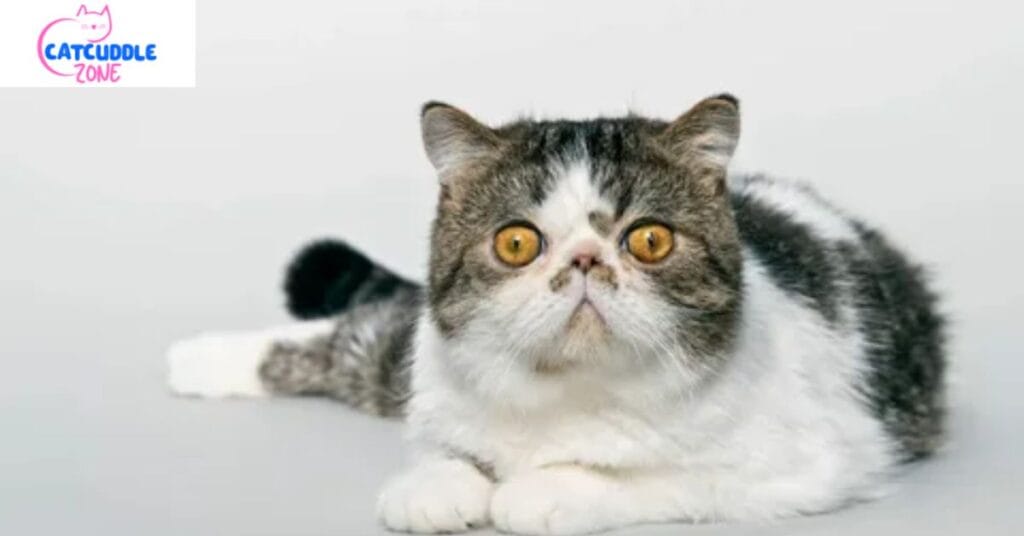
Some breeds snore more. Brachycephalic cats like Himalayans and flat-faced cats like Exotic Shorthairs often snore because of short noses. Their narrow airways make them breathe noisier, even without health problems.
These cats also face higher risks of cat breathing difficulties and cat sleep apnea. Regular check-ups are very important for them.
When to Visit the Vet for Your Cat’s Snoring
How old do I have to be before I can take my cat to the medical doctor in case it snores? Dial your vet in case your cat snores loudly or abruptly or shows the symptoms of abnormal snoring in cats, i.e., discharge, cough, lethargy, etc.
The vet may examine any respiratory infection in the cat, allergies, or tumors. The presence of nasal obstruction may be discovered using X-rays or a small camera inserted inside the nose of cats.
In Summary
Cat snoring isn’t always bad. Kittens, as well as many cats, snore lightly when they are relaxed. However loud, new, or changed, snoring is a signal to dig deeper. Your cat breathes easily with clean air, good weight, and vet visits. Of course, you should also remember that in case you feel uncertain, you should address your vet.
(FAQs)
Should I be concerned if my cat snores?
The occasional and soft snoring should be harmless, but loud, repeated, and new snoring can be a symptom of cat breathing complications or other feline respiratory complications worth checking with your veterinarian.
What breed of cat snores?
Through nasal-short flat-faced cats and brachycephalic cats (such as Persians and Exotic Shorthairs) are more likely to snore.
Is it normal for cats to sound like they’re snoring?
Sure, it may be normal, when, in particular it occurs when they are laid in a deep sleep or some other position.
Is it normal to hear your cat breathing while sleeping?
A quiet murmur of the breath can be usual, whereas harsh wheezing and difficult breathing can indicate nasal congestion in cats or allergies.
Is my cat snoring or purring?
Snoring only occurs when you are asleep, and purring tends to occur when your cat is awake, relaxed or when you are fondling it.