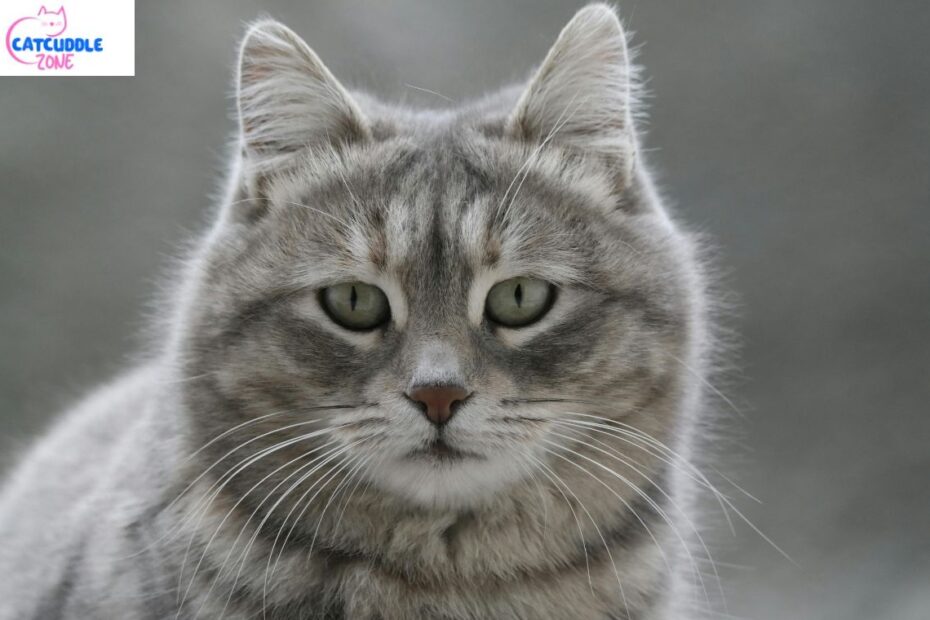
One of the most popular and familiar cats in the world is the British Tabby whose round face, plush coat, and eternal attractiveness make him an icon. The history of the breed traces back to the breeding of the cats (Romans took cats to England, pest controller Harrison Weirs developed it) and it is now a robust but gentle companion. It is distinguished by its own patterns in coat, including the traditional tabby pattern, mackerel tabby pattern, and the graceful silver tabby British Shorthair that make it stand out of the crowd of other breeds. The British Tabby is an ideal combination of beauty, history, and loving company; admired because of its temperament and behavior (calm, laidback, family-friendly, prey drive).
The Origins of the Tabby British Shorthair
This cat has its origins in the breed’s history (Romans introducing cats to England, pest control, evolution by Harrison Weir). Strong, shorthaired cats were introduced to Britain by Romans to guard stores of food against rodents. Such cats then inter-bred with the local wild cats to produce a strong and strong feline. Their heavy coats allowed them to adapt to the cold English climatic conditions over time making it a handy friend to farmers and families.
The Tabby British Shorthair as we now have it dates back to the 19th century. The appearance of the cat was perfected by breeder Harrison Weir, and structured in the 1871 first Best in Show cat show. It was the beginning of the popularity of this breed and the traditional tabby pattern has been a favorite.
How the Tabby British Shorthair Gained Popularity
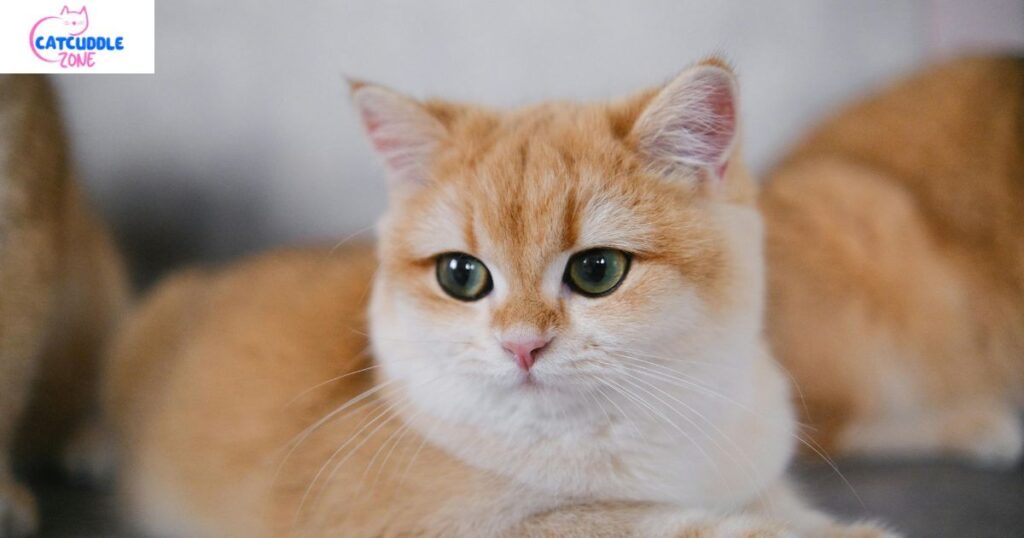
Silver tabby British Shorthair became the all-star of cat shows in Victorian times. The judges and the audiences were impressed by their bold patterns of coat and strong bodies. Cats with the classic tabby pattern were especially admired. By the early 20th century, the breed was one of the most recognized in England.
However, the World War I and II effects on breeding almost destroyed the breed. The numbers became low such that breeders were forced to crossbreed with the Persian cats, French Chartreux and even Russian Blue in order to replenish the population. This rescued the line and toned its features.
Formal Recognition of the Tabby British Shorthair
Recognition in America was gradual. The recognition timeline (1967, 1979, 1980, 2009) shows the breed’s long journey. In 1967, it was the first to be accepted by the American Cat Association (ACA). This was later accepted in 1979 by The International Cat Association (TICA) and later in 1980 by the Cat Fanciers Association (CFA). In 2009, even more tabby variations were accepted worldwide.
This timeline secured the Tabby British Shorthair cat as a beloved breed across the USA. Its rise in registration showed that families valued its mix of elegance, history, and gentle nature.
Distinctive Characteristics of Tabby British Shorthairs
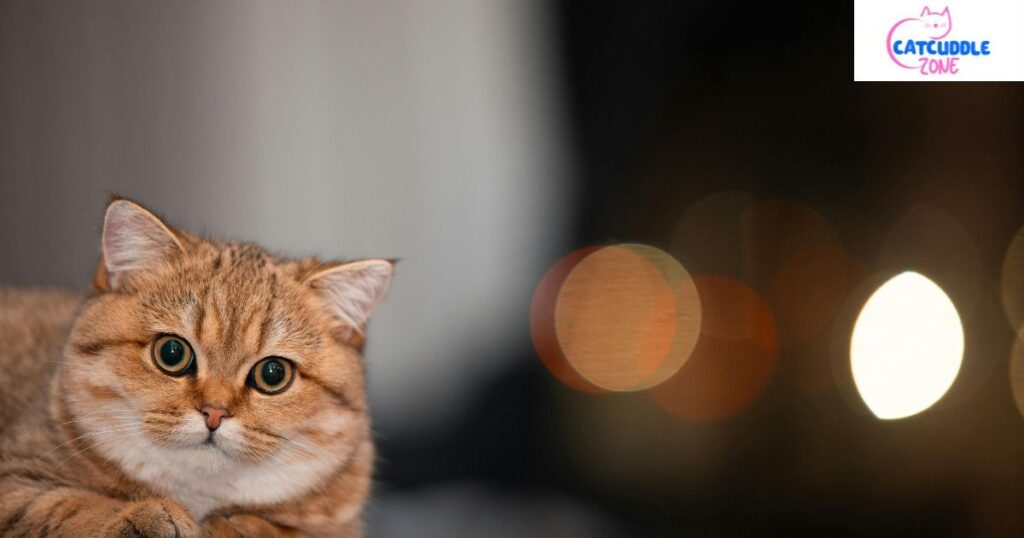
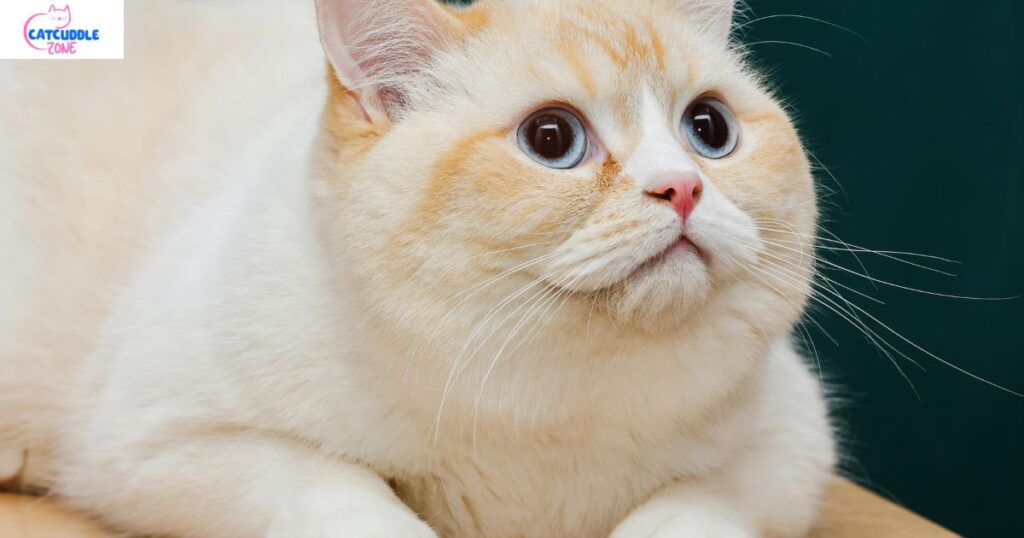
Tabby British Shorthair is known for its round, teddy bear face, huge gold or copper eyes, and short plush coat. Their body is very muscular and strong, appearing due to their compactness. This breed has the charm of the British Blue but with the striking detail of stripes, swirls, or spots.
They are not extremely active like most cats. They are ideal companions due to their disposition and their character (peasy, easygoing, family-friendly, predation drive). They like attention but do not insist on it at all times. Families in the USA appreciate their balance between independence and affection.
The 5 Most Common Tabby Patterns in British Shorthairs
The Tabby British Shorthair comes in five striking tabby styles:
| Tabby Pattern | Description | Example Color |
| Classic Tabby pattern | Bold swirls on the sides | Silver, Blue |
| Mackerel Tabby pattern | Narrow tiger-like stripes | Blue Tabby British Shorthair |
| Spotted Tabby | Distinct spots instead of swirls | Red, Cream |
| Ticked Tabby | Flecked coat with no clear stripes | Brown, Fawn |
| Patched Tabby | Mix of tabby markings with patches of other colors | Tortie Tabby |
Popular types are the Red Tabby British Shorthair, and the glamorous Blue Tabby British Shorthair. They all possess their own form of beauty that cat lovers adore.
Top 7 Fascinating Facts About Tabby British Shorthairs
This breed is full of surprises. The Cheshire Cat from Alice in Wonderland was inspired by the wide smile of a silver tabby. The first I Can Has Cheezburger meme also featured a British Shorthair. These cats have shaped internet humor for years.
Some have even made world records. Smokey’s loudest purr record reached over 67 decibels, proving the breed’s vocal charm. The famous Cola the cat (28 years lifespan) showed that with good care, their health and longevity (20 years+) can break records.
Tabby British Shorthair Cat Temperament and Behavior
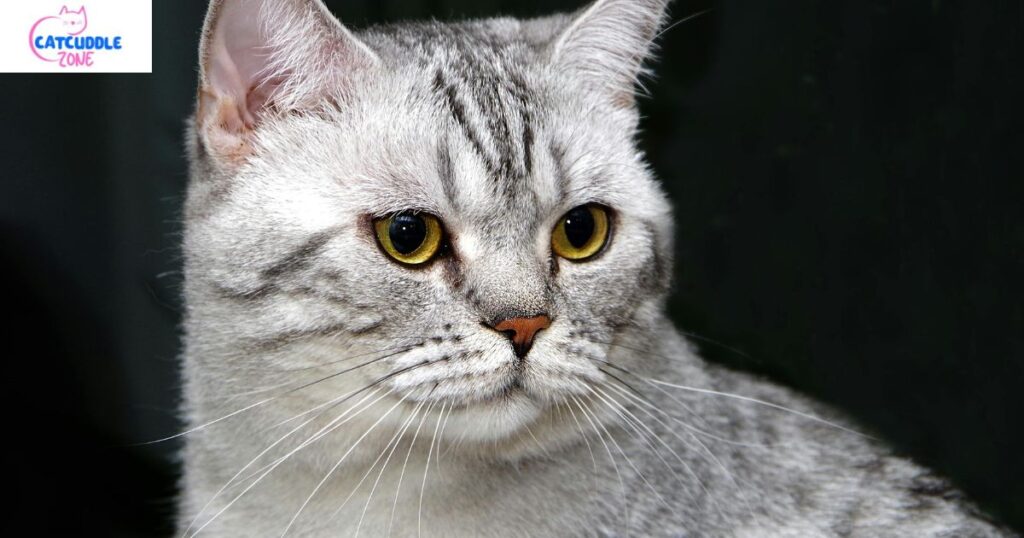
They are gentle and loyal and this is what makes them stand out. They are not too fond or too cold. This equilibrium qualifies them to be the perfect companion of seniors, children, and even those with a dog. Their pet suitability (good for seniors, families, children, other pets) is one of the reasons for their popularity in the USA.
They still carry a prey drive from their history as hunters. Small toys or feather wands let them release that instinct safely. Yet after playtime, they’re happy to curl up and nap by your side.
Health and Care Tips for Tabby British Shorthairs
Like many pedigreed breeds, they need attention to health. The most common risk is obesity due to their solid structure. The high-quality protein in a balanced diet will make sure that an individual does not gain weight. Regular check-up and dental services prevent them against heart diseases such as hypertrophic cardiomyopathy.
Their coat is thick but simple to keep. A weekly brush is used to get rid of loose hairs and maintain the fur shiny. Through such a routine, they will experience a health and lifetime (20 years+) that tends to be longer than the average domestic cat. Some even reach legendary ages, like Cola the cat (28 years lifespan).
Do Tabby British Shorthairs Make a Good Pet?
Of course, they are among the most versatile breeds. They can be adopted in both apartments and houses because of their temper and behaviour. They do not require nurturing at all times but they get attached to their human beings.
Families in the USA love them for their patience with children. Seniors enjoy their calm nature. The Tabby British Shorthair cat is an ideal animal to any person who wants a faithful but no-fuss partner.
Famous British Shorthair Cats in Pop Culture
The cultural influence (literature, memes, cartoons, pop culture) of this breed is enormous. The Cheshire Cat in the novel of Lewis Carroll is an icon. Their features were also the model of the animated character of Puss in Boots.
The internet brings about modern fame. Coby the cat Instagram has millions of followers because he has ice-blue eyes. Internet-famous cats (Coby, Smokey, memes) have helped to keep the breed in the limelight. The Tabby British Shorthair continues to impact the culture of cats in the world and is utilized in memes and films.
Conclusion
The Tabby British Shorthair cat has a history that stretches back to ancient Rome to the present day Instagram. This breed is more than a cat with its rich history, playful but relaxed temperament and iconic representation in the cultural sphere. It’s a living piece of heritage. For families, seniors, and cat lovers in the USA, this feline is both a companion and a timeless treasure.
FAQs
What is a British tabby?
A British Tabby is a British Shorthair cat with distinct tabby coat patterns like classic, mackerel, spotted, or ticked.
What is the rarest tabby cat?
The rarest tabby is the ticked tabby, where the coat has no stripes or spots, only flecked fur.
What is a tabby cat in the UK?
In the UK, a tabby cat refers to any domestic cat with patterned coats, often seen in British Shorthairs.
What is so special about tabby cats?
Tabby cats are loved for their unique coat patterns, friendly nature, and long history in human culture.
How much do tabby cats cost?
British Tabby cats usually cost between $800 and $2,000 depending on pedigree and coat pattern.